Mia Friedrich · 30 September 2026
Nearwood's Community Networks Bolster Senior Support via Volunteer Initiatives and Heritage Partnerships
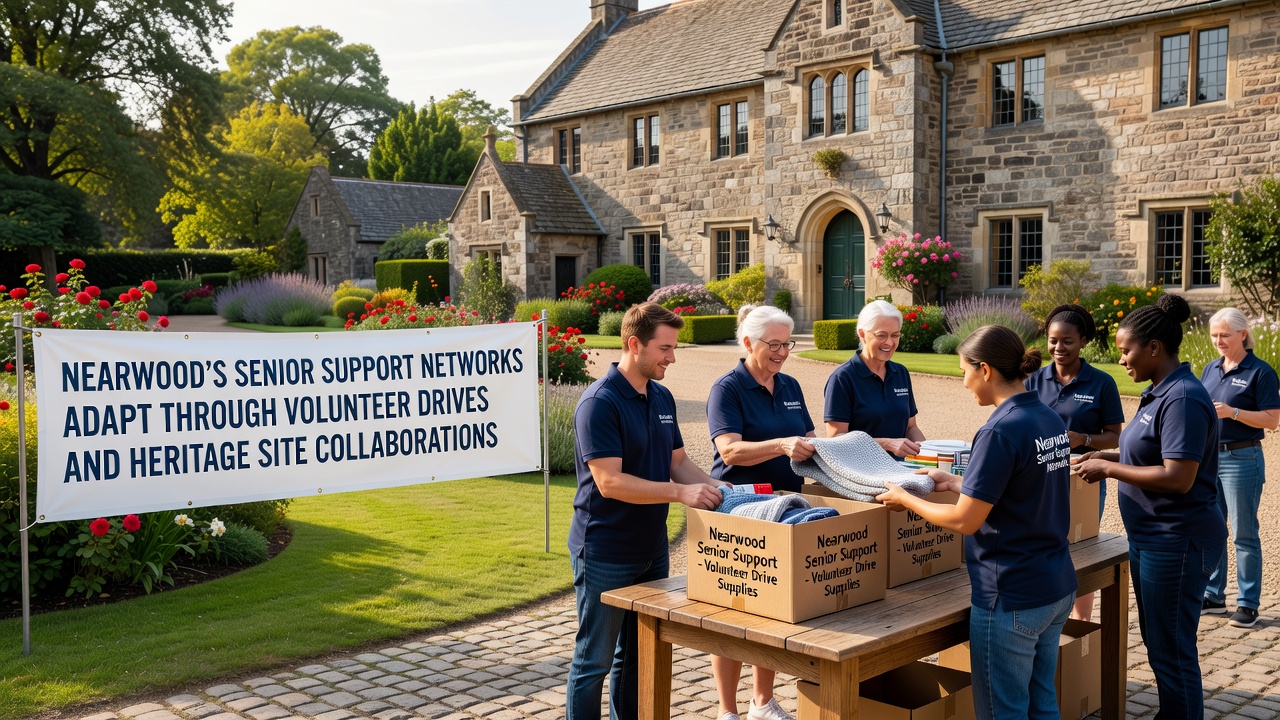
Nearwood senior support networks have shifted focus in recent years toward volunteer drives that connect residents with local heritage sites, creating structured programs where participants engage in preservation activities alongside social support services. These efforts gained momentum as organizations coordinated recruitment campaigns that paired able volunteers with seniors needing companionship and practical assistance during weekly sessions.
Volunteer Recruitment Expands Reach
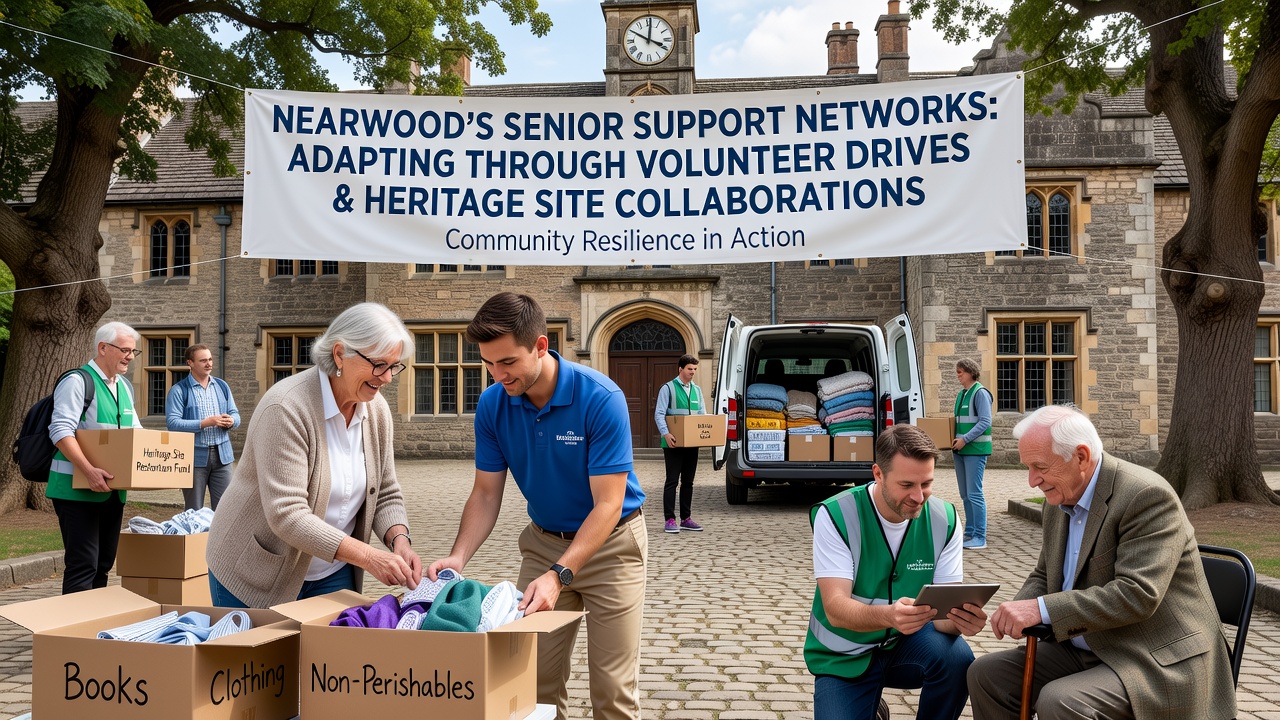
Community groups in Nearwood launched targeted drives throughout 2025 that emphasized flexible scheduling, and by September 2026 registration numbers had climbed steadily according to local coordination reports. Participants signed up for roles that ranged from transportation assistance to guided walks at historical landmarks, allowing seniors to maintain physical activity while contributing to site maintenance tasks such as light gardening and documentation projects. Data from regional volunteer registries show that retention rates improved when programs integrated heritage elements, because participants reported stronger connections to shared local history.
Training modules developed by network coordinators covered basic safety protocols along with orientation on heritage guidelines, which ensured volunteers could support both personal care needs and site-specific requirements without overlap. One program coordinator noted that matching volunteers with seniors based on shared interests in local architecture led to sustained pairings that extended beyond initial commitments.
Heritage Sites Serve as Activity Hubs
Collaborations between senior networks and heritage site managers established regular meeting points at preserved buildings and trails, where activities combined educational tours with peer support circles. These partnerships allowed organizations to share resources such as accessible pathways and interpretive materials, which reduced duplication of services while expanding options for participants who preferred outdoor settings over traditional community centers.
Site operators provided spaces for monthly gatherings that featured guest speakers on regional history, and seniors contributed oral histories that fed into ongoing archival efforts. Such arrangements created measurable outcomes tracked through attendance logs, with figures revealing consistent turnout during shoulder seasons when weather supported extended visits.
Program Structures Adapt to Participant Needs
Network leaders adjusted schedules to accommodate mobility variations, offering shorter sessions at heritage locations equipped with seating areas and rest facilities. Volunteer teams handled logistics including equipment transport and real-time assistance, which kept activities inclusive across different ability levels. Reports from participating organizations indicate that these modifications increased engagement from seniors who previously avoided group events due to accessibility concerns.
Partnership agreements outlined clear divisions of responsibility, with heritage staff managing preservation compliance and support networks overseeing volunteer background checks and insurance coverage. This division allowed both sides to operate within their established expertise while delivering combined benefits to the community.
Tracking Outcomes and Broader Context
Evaluation frameworks adopted by Nearwood coordinators included pre- and post-participation surveys that measured changes in social connection scores and physical activity levels. Results compiled through 2026 showed correlations between regular heritage-based sessions and improved self-reported well-being among seniors, although researchers continue to examine contributing variables such as seasonal weather patterns.
According to information from the National Institute on Aging, structured community programs that combine social engagement with purposeful activities produce documented advantages for older adults across multiple regions. Nearwood implementations align with these observations by incorporating heritage elements that add layers of cognitive stimulation through storytelling and observation tasks.
Additional statistics compiled by Volunteer Canada highlight how cross-sector partnerships between service networks and cultural institutions expand volunteer pools while addressing localized needs in smaller communities. Nearwood groups applied similar models when formalizing their heritage collaborations, resulting in diversified funding streams that included grants tied to both aging services and cultural preservation.
Future Coordination Steps
Planning sessions scheduled for late 2026 will review participation data and adjust volunteer training to incorporate feedback from heritage partners. Coordinators aim to introduce digital tools for scheduling that integrate with site calendars, reducing conflicts during peak visiting periods. These steps build on existing frameworks without introducing untested elements, maintaining continuity for current participants.
Conclusion
Nearwood senior support networks continue to refine their approaches through volunteer recruitment and heritage site integrations that deliver practical assistance alongside cultural engagement. The documented growth in participation and structured outcomes reflect coordinated efforts across multiple organizations working within established guidelines. Ongoing monitoring will determine how these adaptations sustain momentum into subsequent years.